
Platform Cost Optimization
Continuous, Performance-Aware Optimization for Runtime and Data Platforms
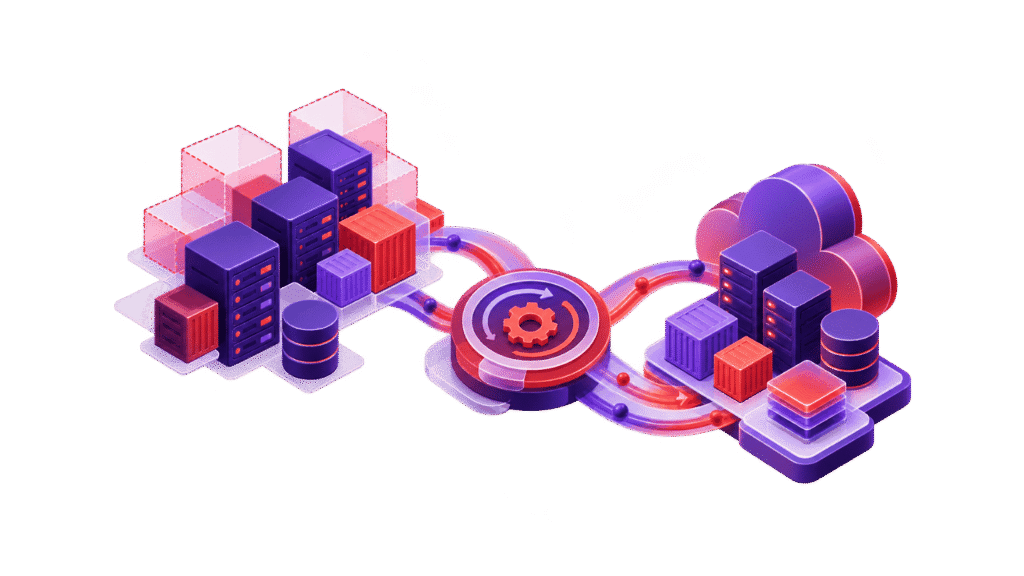
Platform teams size for peak load and safety margins, and then rarely revisit those settings. Nodes, pods, and VMs keep requesting more CPU and memory than they use; clusters run half-empty; warehouses and database instances stay a tier too large. Each choice is reasonable alone. Together they create persistent waste that cost reports can show but rarely fix, because nobody wants to cut capacity without knowing what it will do to performance.
AquilaClouds Andromeda™ continuously optimizes runtime and data platforms, recommending changes based on actual utilization and checking each one against workload performance, availability, and SLAs. This use case is powered by Platform AIQ, which covers runtime platforms (Kubernetes, EKS, AKS, GKE, OKE, ECS, and VMware) and data platforms (Databricks, Snowflake, AWS RDS, Azure Databases, and GCP BigQuery) from one intelligence layer. Agent Sherlock, Andromeda’s agentic layer, investigates cost spikes as they happen and recommends specific actions.Pod, node, and VM rightsizing for CPU and memory, based on actual utilization
Bin-packing and workload placement to consolidate clusters
Idle and underutilized cluster and host capacity identification
Database instance, warehouse, and cluster rightsizing for data platforms
Inefficient query, job, and resource-intensive workload detection
Idle compute and storage capacity elimination on data platforms
Performance-aware recommendations that protect availability and SLAs
Continuous optimization across Kubernetes, VMware, Databricks, Snowflake, and managed databases
Root-cause investigation and recommended actions with Agent Sherlock
Rightsize workloads to what they actually use
Resource requests are usually set once and copied forward. Andromeda compares the CPU and memory each pod, node, and VM requests with what it actually consumes, then recommends right-sized allocations. For one financial services enterprise, 70 of 71 analyzed Kubernetes pods were over-provisioned, and each one received a utilization-based CPU and memory recommendation.
Pack more work onto less infrastructure
Poor bin-packing leaves expensive nodes and hosts running half-empty. Andromeda analyzes how workloads are placed across clusters and recommends consolidation and placement changes, so the same workloads run on fewer, better-used nodes and hosts.
Reclaim idle cluster and host capacity
Capacity added for a launch, a test, or a peak that never returned tends to stay. Andromeda identifies idle and underutilized resources across Kubernetes and VMware environments and recommends where cluster and host capacity can be reduced.
Rightsize data platforms without slowing analytics
Oversized warehouses, clusters, and database instances are among the most persistent sources of data platform waste. Andromeda recommends right-sized tiers and compute capacity based on real consumption. In one global engineering and construction enterprise, Azure database analysis identified $29K–$36K in annual savings, part of $231K–$294K in total optimization opportunities identified across its environment.
Fix the queries and jobs that drive the bill
On consumption-based platforms, a few inefficient queries or jobs can account for a large share of spend. Andromeda identifies inefficient queries, jobs, and resource-intensive workloads, so teams know exactly what to tune. When a Databricks job spikes, Agent Sherlock investigates the root cause and recommends a specific action.
Save without putting performance at risk
Cost cuts that cause incidents get reversed. Every Andromeda recommendation is performance-aware, weighed against the workload’s performance, availability, reliability, and SLA needs, so platform teams can act on savings with confidence.
Run every platform at the size it actually needs.
Over-provisioning is the safe default, until it becomes the biggest line on the bill. Andromeda finds the waste across runtime and data platforms and tells you which changes are safe to make.